In recent years, the global spotlight has increasingly focused on renewable energy innovations, as nations and industries seek sustainable solutions to mitigate the environmental impacts of traditional energy sources. This surge of interest has led to significant advancements in technology, making renewable energy more efficient and accessible than ever before. These innovations are not only transforming the way we produce energy but are also spearheading efforts toward a more sustainable future.
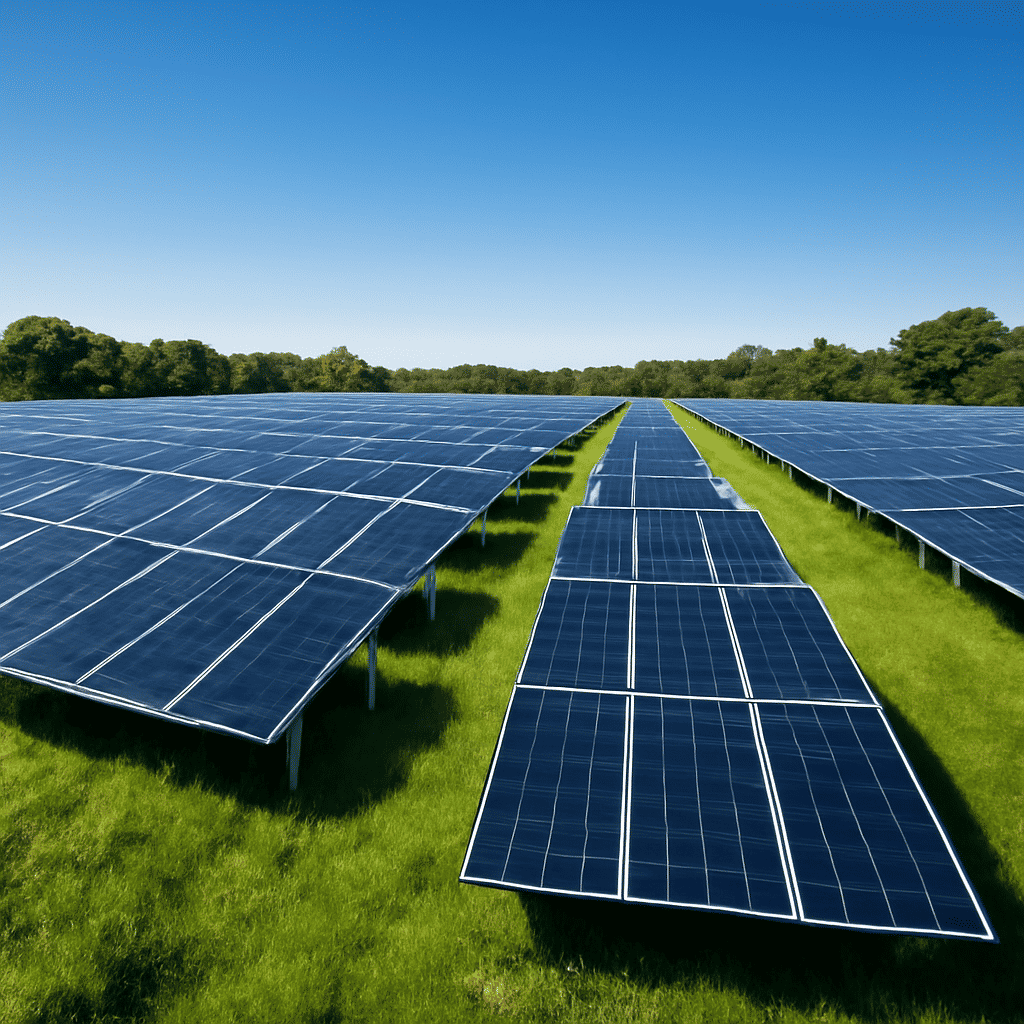
One of the most groundbreaking developments in renewable energy comes from the solar sector. Innovations in photovoltaic (PV) technology have dramatically improved the efficiency of solar panels. Traditional silicon-based solar panels are now being supplemented and even surpassed by newer materials such as perovskite and organic photovoltaic cells. These materials boast higher efficiency rates and are less costly to manufacture, thus paving the way for more widespread adoption. Moreover, the integration of solar panels with energy storage systems, such as lithium-ion and emerging solid-state batteries, enhances their utility by addressing the intermittency issue linked with solar energy.
Wind power has also witnessed transformative innovations. Engineers are now designing colossal offshore wind turbines with capacities exceeding 15 megawatts per unit. These turbines are capable of harnessing high-altitude wind currents with incredible efficiency. Additionally, floating wind farms, which can be positioned in deeper waters where winds are stronger and more consistent, are gaining traction. This accessibility to untapped wind resources greatly enhances the potential for energy production from wind energy.
Wave and tidal energy, though less prominent, are making significant strides in their development. These sources have the potential to provide consistent and predictable energy, complementing other intermittent renewable sources. Innovative devices, like oscillating water columns and tidal stream turbines, are being tested and implemented, showing promising results in durability, efficiency, and cost-effectiveness.
In terms of energy storage, advancements are just as pivotal. Beyond traditional battery solutions, there are burgeoning technologies such as thermal energy storage, flywheel systems, and hydrogen fuel cells. Hydrogen, in particular, is gaining attention because of its ability to store large amounts of energy for long periods. When produced through electrolysis using renewable energy, hydrogen serves as a clean energy carrier, making it a promising solution for storing and transporting renewable energy across various sectors.
Furthermore, smart grid technologies represent a remarkable improvement in the management and distribution of energy. These technologies help in optimizing the efficient use of renewable resources by integrating renewable energy sources into the existing power grids seamlessly. Smart grids encourage consumer-centered approaches like demand response programs, which empower consumers to manage their energy consumption better, ensuring that energy is used when it is most efficiently available.
The role of artificial intelligence (AI) and machine learning in renewable energy cannot be overstated. AI algorithms are increasingly employed to predict energy production and consumption patterns more accurately. This predictive power is crucial for reducing waste and balancing supply and demand, which ultimately leads to more efficient and reliable energy systems.
As these innovative technologies continue to develop, they bring the world closer to a future powered predominantly by clean energy. The combination of advancements in solar, wind, wave, and tidal energy, coupled with improvements in energy storage and smart grid technologies, suggest a new era of sustainability. Governments, private sectors, and communities worldwide are increasingly investing in these technologies, recognizing their potential not just to power communities, but to transform the economic and environmental landscape at large.
In conclusion, renewable energy innovations are at the forefront of creating a more sustainable and environmentally-friendly world. By continuing to invest in and develop these technologies, we pave the way for an energy system that is not only sustainable but also resilient and capable of meeting the energy demands of the future. Through these efforts, the transition to a cleaner, greener world seems not only possible but imminent, heralding a new age of energy that benefits all.